Families of victims abducted during the deadly attack on Woro and Nuku communities in Kaiama Local Government Area of Kwara State have appealed for urgent government intervention, saying their loved ones remain in captivity despite raising over ₦155 million in ransom.
The attack, which occurred on February 3, 2026, reportedly claimed the lives of more than 260 people, destroyed over 30 houses, and saw 176 residents abducted, making it one of the deadliest attacks recorded in the area in recent years.
Speaking in an interview with BBC Hausa Service, Alhaji Abdul Ibrahim, who represented affected families, said he lost 10 relatives during the attack, while 35 members of his family are still being held by the kidnappers.
According to him, members of the community raised ₦155 million after the abductors demanded a ransom, but the money was allegedly rejected because it was considered insufficient.
“We raised ₦155 million and took it to them, but they refused to accept it, saying it was not enough. We returned with the money and have not heard from our relatives since,” Ibrahim said.
He appealed to both the Federal Government and the Kwara State Government to rescue those still in captivity, saying the families have exhausted every available option.
Under Nigerian law, paying ransom to kidnappers is prohibited.
Relatives also expressed frustration that while victims abducted in a separate incident in neighbouring Oyo State were rescued by security forces, those kidnapped in Woro have remained in captivity for months.
Another community leader, Alhaji Sulaiman Bukata, the Dan Sadaukin Kaiama, said residents recently staged a peaceful protest to draw attention to the plight of the abductees, many of whom are women, children and nursing mothers.
Bukata alleged that the kidnappers had threatened to force some of the young women into marriage and kill others if authorities failed to act. However, the claim has not been independently verified.
According to reports, the attack on Woro and neighbouring Nuku communities was allegedly triggered after residents rejected attempts by the armed group to establish an extremist religious presence in the area.
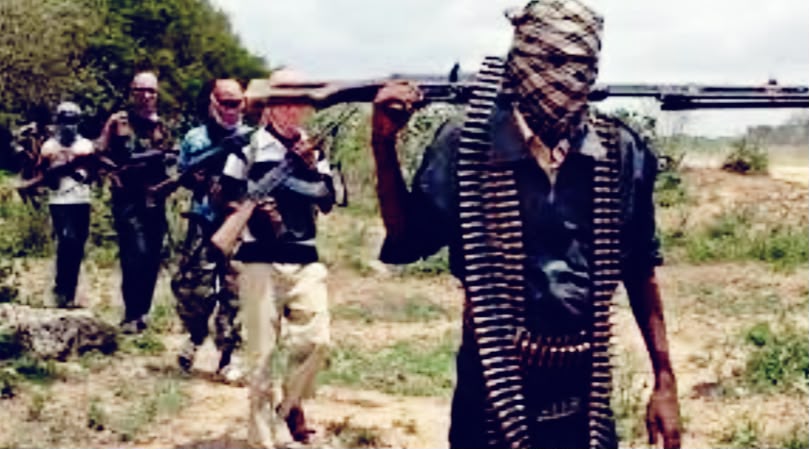
Survivors said the attackers, dressed in military-style uniforms and riding motorcycles, invaded the communities, killing scores of residents, burning homes and abducting dozens before fleeing.
The incident highlights the growing insecurity across parts of North-Central Nigeria, where armed groups continue to carry out mass killings, kidnappings and attacks on rural communities despite ongoing security operations.
Source: BBC Hausa Service.